True conservation practices lie at the core of our work, ensuring your art remains protected for years to come.
Conservation Framing in London
Museum-standard conservation framing for artists, galleries, museums and collectors from our workshop in Angel, Islington.
At FRAME London, we believe preserving artwork is as important as displaying it. Our specialist conservation framing combines archival, museum-standard materials with reversible techniques wherever possible, helping to protect artworks from environmental damage and support their long-term preservation. From our London workshop, we provide conservation framing for artists, galleries, museums and collectors, approaching every work with care and combining refined presentation with responsible conservation.
Our conservation, museum framing is trusted by museums, galleries and institutions read more from our clients here.
Book a conservation framing appointment now:

Conservation framing FAQs
What materials do you use in conservation mounting?All materials that come in contact with artwork must be acid-free, lignin-free, and pH neutral. This includes mount boards, backing boards, and any adhesives used in the framing process. At FRAME London, we source the highest quality conservation-grade materials that meet museum standards. To find out more about the materials we use read more here.
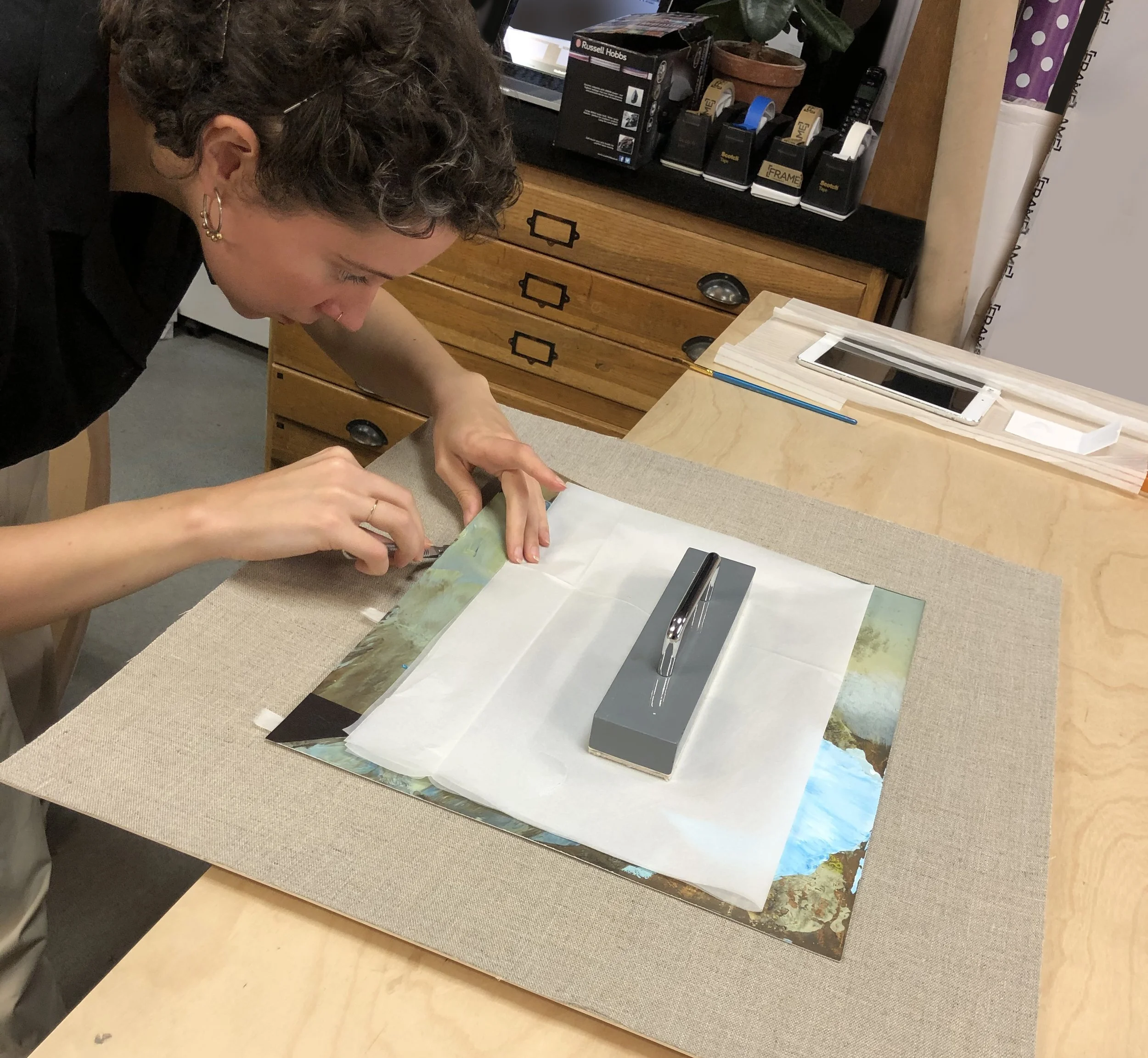
What reversible processes do you use for hinging an artwork?Our staff are trained in conservation mounting and framing techniques for all media, including Japanese hinging with wheat starch paste, freshly made in our studio each week. Read more about our process and learning in this area, here.

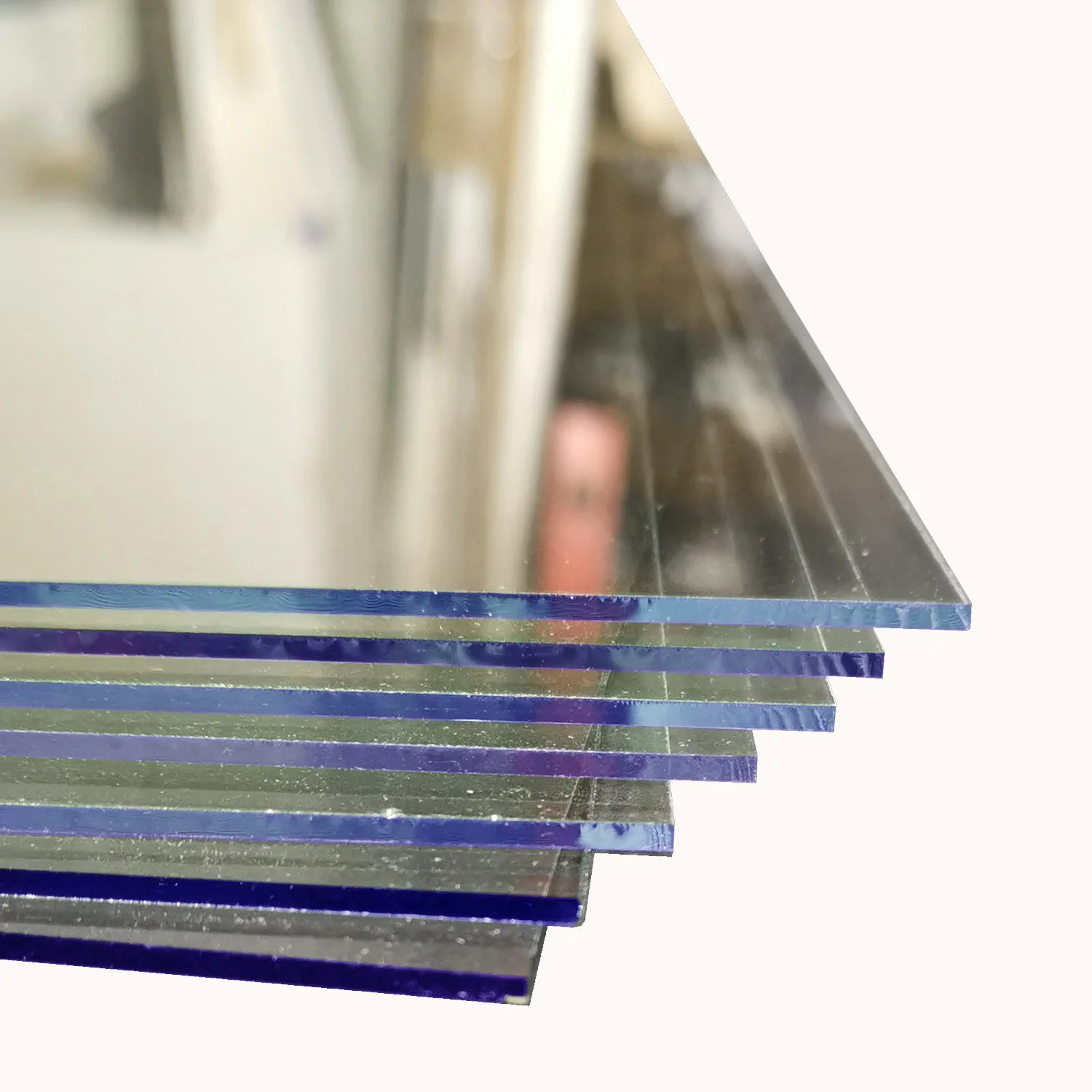
What is conservation glazing and how important is UV-protective glazing to artwork protection?Ultraviolet light is one of the greatest threats to artwork, causing fading and deterioration over time. Conservation glazing with UV filtering properties blocks harmful rays while maintaining optical clarity, ensuring your art remains vibrant for generations. To learn more about glazing types Read more here.